
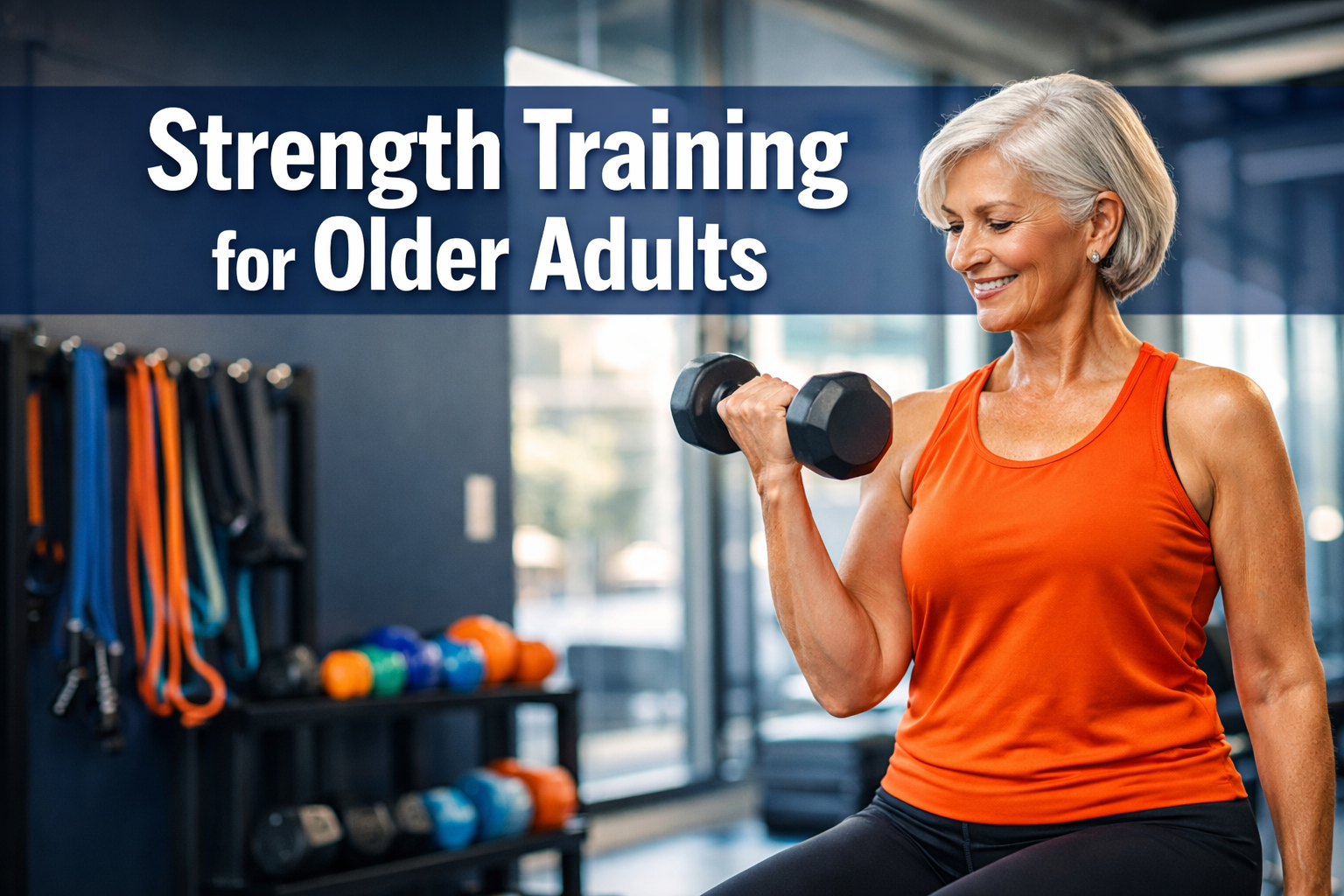
Imagine waking up one morning and struggling to open a jar of pickles, climb a flight of stairs, or carry groceries from the car. For millions of older adults, these everyday tasks become increasingly difficult not because of age itself, but because of preventable muscle loss. The good news? Strength training can reverse this decline at any age, restoring independence and vitality well into your golden years. Fitness programs for seniors have evolved dramatically in 2026, offering safe, effective pathways to rebuild strength, confidence, and quality of life.
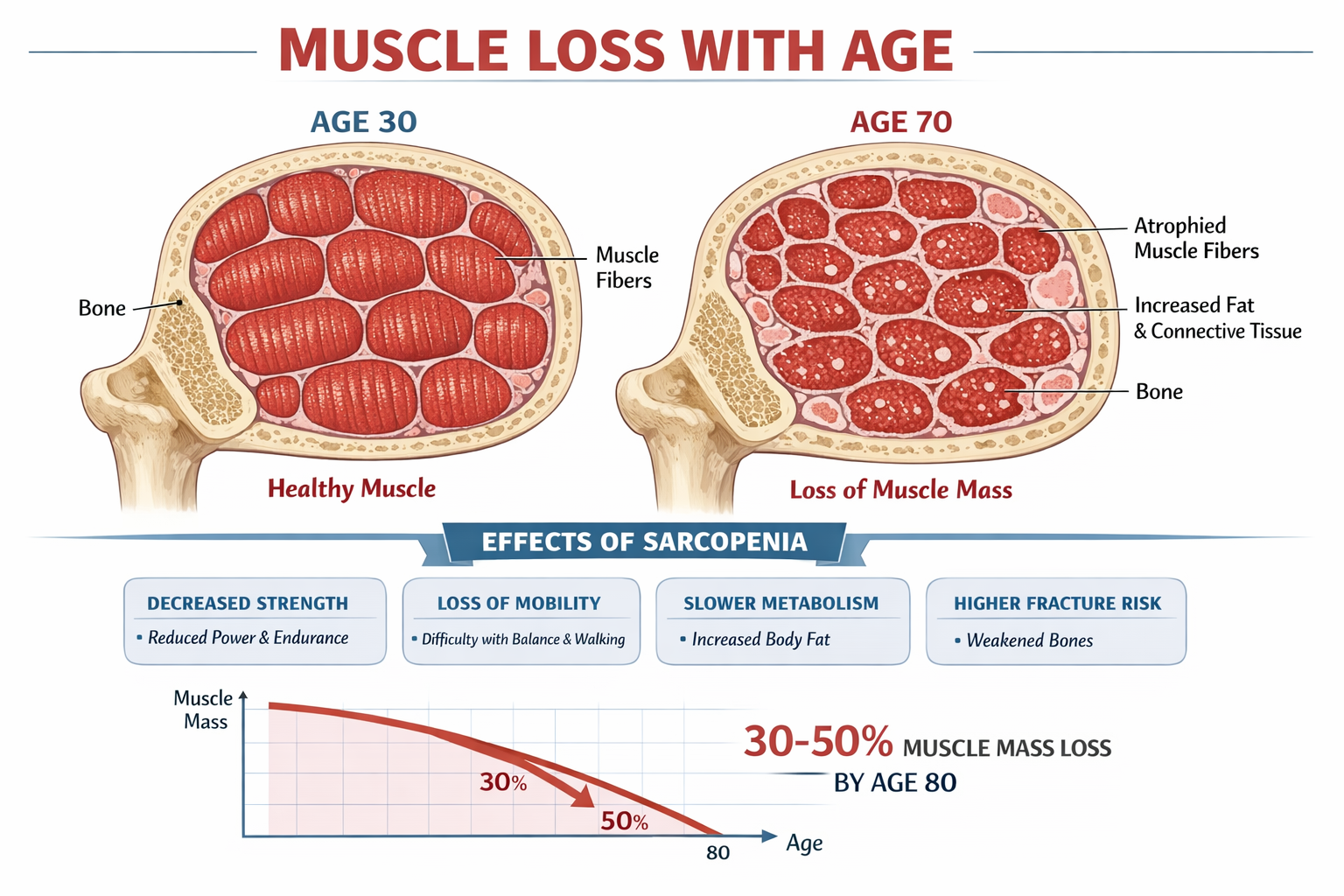
The science is clear: adults lose approximately 3-8% of muscle mass per decade after age 30, with losses accelerating after 60 [1]. This condition, called sarcopenia, affects nearly half of adults over 80 and directly impacts mobility, balance, and independence [2]. However, research consistently shows that older adults who engage in regular strength training can regain lost muscle, improve bone density, and reduce fall risk by up to 40% [3].
Key Takeaways
- Muscle loss is preventable: Adults can rebuild strength at any age through consistent resistance training, with studies showing muscle gains of 25-100% in older adults within 3-6 months [4]
- Start simple and safe: Beginner fitness programs for seniors should focus on bodyweight exercises, resistance bands, and light weights with proper form before progressing
- Equipment matters less than consistency: Effective strength training doesn’t require expensive gym memberships—resistance bands, household items, and bodyweight exercises deliver excellent results
- Progressive overload is key: Gradual increases in resistance, repetitions, or difficulty ensure continued improvements while minimizing injury risk
- Independence is the ultimate goal: Functional strength exercises that mimic daily activities provide the greatest quality-of-life benefits for older adults
Understanding Muscle Loss with Age: The Science Behind Sarcopenia
What Happens to Muscles as We Age?
The human body undergoes significant changes after age 30, with muscle tissue being particularly vulnerable. Sarcopenia—the age-related loss of muscle mass and strength—affects both muscle quantity and quality. Muscle fibers shrink, particularly the fast-twitch fibers responsible for power and quick movements [5]. Additionally, the body becomes less efficient at synthesizing protein from dietary sources, making it harder to maintain existing muscle tissue.
Several factors contribute to this decline:
- Hormonal changes: Decreased testosterone, growth hormone, and insulin-like growth factor (IGF-1) reduce muscle-building capacity
- Reduced physical activity: Sedentary lifestyles accelerate muscle atrophy
- Decreased nerve function: Motor neurons that signal muscles to contract decline in number and efficiency
- Inflammation: Chronic low-grade inflammation interferes with muscle protein synthesis
- Nutritional deficiencies: Inadequate protein intake and vitamin D deficiency impair muscle maintenance
The Real-World Impact of Muscle Loss
The consequences of sarcopenia extend far beyond aesthetics. Muscle loss directly affects:
| Impact Area | Consequences |
|---|---|
| Mobility | Difficulty walking, climbing stairs, getting up from chairs |
| Balance | Increased fall risk (falls are the leading cause of injury-related death in adults 65+) [6] |
| Metabolism | Lower resting metabolic rate, increased fat gain, insulin resistance |
| Bone Health | Reduced bone density, higher fracture risk |
| Independence | Need for assistance with daily activities, reduced quality of life |
| Mental Health | Depression, social isolation, decreased confidence |
“The loss of muscle mass and strength is not an inevitable consequence of aging. With proper resistance training, older adults can maintain and even increase muscle mass comparable to individuals decades younger.” — Dr. Maria Fiatarone Singh, Exercise Physiologist [7]
Why Fitness Programs for Seniors Must Prioritize Strength
Traditional exercise recommendations for older adults often emphasized low-impact aerobic activities like walking or swimming. While cardiovascular health remains important, strength training has emerged as the most critical component of fitness programs for seniors in 2026.
Research demonstrates that resistance training:
- Increases muscle mass by 2-4 pounds in just 8-12 weeks [8]
- Improves strength by 25-100% depending on baseline fitness [9]
- Enhances bone mineral density, reducing osteoporosis risk [10]
- Improves insulin sensitivity and glucose metabolism [11]
- Reduces symptoms of arthritis, back pain, and depression [12]
- Decreases fall risk through improved balance and coordination [13]
The American College of Sports Medicine now recommends that adults over 65 perform strength training exercises at least two days per week, targeting all major muscle groups [14].
Beginner-Friendly Fitness Programs for Seniors: Where to Start
Assessing Your Starting Point
Before beginning any strength training program, older adults should:
- Consult with healthcare providers: Discuss any chronic conditions, medications, or physical limitations
- Consider a fitness assessment: Many senior centers and gyms offer free evaluations to establish baseline strength and identify areas of concern
- Set realistic goals: Focus on functional improvements (carrying groceries, playing with grandchildren) rather than aesthetic outcomes
- Start conservatively: It’s better to begin too easy and progress gradually than to risk injury
The Foundation: Bodyweight Exercises
The safest entry point for most seniors involves bodyweight exercises that require no equipment. These movements build foundational strength while teaching proper form and body awareness.
Essential Beginner Exercises:
✅ Chair Squats: Stand and sit from a sturdy chair repeatedly (builds leg strength for daily activities)
✅ Wall Push-ups: Perform push-ups against a wall at an angle (develops upper body strength without floor work)
✅ Heel Raises: Rise onto toes while holding a counter for balance (strengthens calves and improves balance)
✅ Seated Marches: Lift knees alternately while seated (activates hip flexors and core)
✅ Arm Circles: Extend arms and make circular motions (improves shoulder mobility and endurance)
Sample Beginner Week: A Simple Starting Program
| Day | Activity | Duration | Notes |
|---|---|---|---|
| Monday | Bodyweight strength routine | 15-20 minutes | 2 sets of 8-10 reps per exercise |
| Tuesday | Rest or gentle walking | 10-15 minutes | Active recovery |
| Wednesday | Bodyweight strength routine | 15-20 minutes | Same exercises, focus on form |
| Thursday | Rest or stretching | 10 minutes | Flexibility work |
| Friday | Bodyweight strength routine | 15-20 minutes | Try for 12 reps if comfortable |
| Saturday | Light activity (gardening, walking) | 20-30 minutes | Enjoyable movement |
| Sunday | Rest | — | Full recovery day |
Progression Principles for Safe Advancement
Effective fitness programs for seniors incorporate progressive overload—the gradual increase of stress placed on muscles. This principle ensures continued improvement while minimizing injury risk.
Safe progression follows this hierarchy:
- Master form first (2-4 weeks): Perfect technique with bodyweight or minimal resistance
- Increase repetitions (weeks 5-8): Build from 8 to 12-15 reps per set
- Add sets (weeks 9-12): Progress from 2 to 3 sets per exercise
- Introduce resistance (week 13+): Add bands, light weights, or increase difficulty
- Vary exercises (ongoing): Introduce new movements to challenge muscles differently
Warning signs to stop and reassess:
🚫 Sharp or shooting pain (different from muscle fatigue)
🚫 Dizziness or shortness of breath beyond normal exertion
🚫 Joint swelling or persistent soreness lasting more than 48 hours
🚫 Loss of balance or coordination during exercises
Equipment Comparisons: Choosing the Right Tools for Senior Fitness Programs
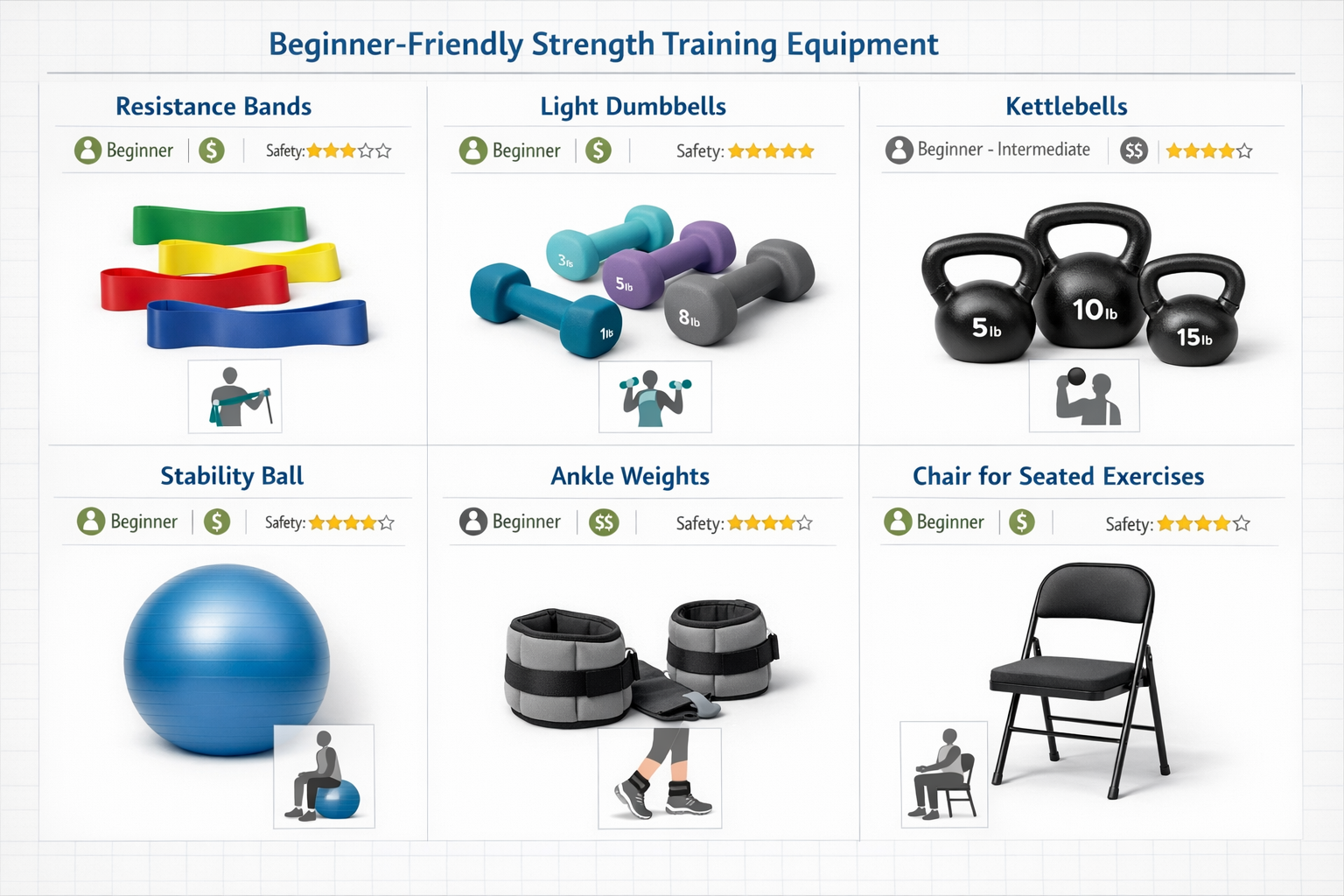
Resistance Bands: The Most Versatile Option
Advantages:
- Extremely affordable ($10-30 for a complete set)
- Portable and storage-friendly
- Provides variable resistance throughout movement
- Low injury risk—no weights to drop
- Suitable for all fitness levels with different band strengths
Disadvantages:
- Can wear out or break over time
- Difficult to precisely measure resistance levels
- Requires secure anchor points for some exercises
Best for: Seniors with limited space, those traveling frequently, or individuals new to strength training who want a low-intimidation option.
Dumbbells: Traditional and Effective
Advantages:
- Precise weight increments (typically 2.5-5 lb increases)
- Long-lasting with minimal maintenance
- Familiar to most people
- Allows for natural movement patterns
Disadvantages:
- Can be expensive for a full set ($100-300+)
- Requires storage space
- Risk of dropping on feet or toes
- May be difficult to grip for those with arthritis
Best for: Seniors with dedicated exercise space who want measurable, progressive resistance and have good grip strength.
Kettlebells: Functional Strength Development
Advantages:
- Excellent for functional, multi-joint movements
- Compact—one or two kettlebells provide full-body workout
- Builds grip strength naturally
- Engages core muscles in most exercises
Disadvantages:
- Technique-intensive—requires instruction
- Limited weight options unless purchasing multiple bells
- Higher injury risk if form breaks down
Best for: Active seniors with some strength training experience who want to focus on functional, dynamic movements.
Comparison Table: Equipment for Senior Strength Training
| Equipment | Cost | Space Required | Injury Risk | Versatility | Best For |
|---|---|---|---|---|---|
| Resistance Bands | $ | Minimal | Very Low | High | Beginners, travel |
| Dumbbells | $$-$$$ | Moderate | Low-Moderate | High | Progressive training |
| Kettlebells | $$ | Low | Moderate | Moderate | Functional fitness |
| Ankle/Wrist Weights | $ | Minimal | Low | Moderate | Walking, leg exercises |
| Stability Ball | $ | Moderate | Low | Moderate | Core, balance work |
| Bodyweight Only | Free | None | Very Low | Moderate | Absolute beginners |
Household Items as Strength Training Tools
Effective fitness programs for seniors don’t require expensive equipment. Common household items work excellently:
- Water bottles or canned goods: 1-3 lb weights for arm exercises
- Backpack with books: Adjustable weight for squats and carries
- Towel: Resistance for arm exercises and stretching
- Sturdy chair: Essential for balance support and seated exercises
- Stairs: Perfect for step-ups and calf raises
- Wall: Ideal for push-ups and shoulder exercises
Progression Safety: Building Strength Without Injury
The Golden Rules of Safe Progression
Rule #1: The 10% Rule
Never increase weight, repetitions, or training volume by more than 10% per week. This conservative approach allows connective tissues (tendons, ligaments) to adapt alongside muscles.
Rule #2: Pain is Not Gain
Muscle fatigue and mild discomfort during the last few repetitions is normal. Sharp pain, joint discomfort, or pain that persists after exercise indicates a problem requiring modification or medical consultation.
Rule #3: Recovery is Non-Negotiable
Older adults typically require 48-72 hours between strength training sessions targeting the same muscle groups. Muscles grow during rest, not during workouts.
Rule #4: Form Before Load
Perfect technique with light resistance builds better strength and reduces injury risk compared to heavy weights with poor form.
Common Mistakes in Senior Fitness Programs
❌ Progressing too quickly: Enthusiasm often leads to overtraining and injury
❌ Skipping warm-ups: Cold muscles and joints are more injury-prone
❌ Holding breath during exercises: Proper breathing prevents blood pressure spikes
❌ Ignoring balance training: Strength without stability increases fall risk
❌ Training through pain: Distinguishing between discomfort and pain is critical
❌ Neglecting nutrition: Inadequate protein intake undermines strength gains
Warm-Up and Cool-Down Protocols
Pre-Workout Warm-Up (5-10 minutes):
- Light cardio (marching in place, easy walking)
- Dynamic stretching (arm circles, leg swings)
- Joint mobility exercises (ankle circles, shoulder rolls)
- Rehearsal of workout movements with no resistance
Post-Workout Cool-Down (5-10 minutes):
- Gradual reduction in activity intensity
- Static stretching (hold 20-30 seconds per muscle group)
- Deep breathing exercises
- Hydration and nutrition
Monitoring Progress Safely
Effective fitness programs for seniors include regular assessment without obsessive measurement. Track:
- Functional improvements: Ease of daily activities, energy levels
- Repetitions and sets: Gradual increases indicate progress
- Exercise variety: Ability to perform new, more challenging movements
- Recovery time: Faster recovery suggests improved fitness
- Balance and coordination: Reduced wobbling, improved stability
“The best exercise program is the one you’ll actually do consistently. Start where you are, use what you have, and do what you can.” — Arthur Ashe
Independence-Focused Strength: Training for Real Life
Functional Fitness: The Ultimate Goal
The most effective fitness programs for seniors prioritize functional strength—the ability to perform everyday activities with ease and confidence. Rather than focusing solely on isolated muscle groups, functional training emphasizes movement patterns used in daily life.
Key Functional Movement Patterns:
🏠 Squatting: Getting on/off toilet, picking up items from floor, gardening
🏠 Pushing: Opening heavy doors, getting up from bed, moving furniture
🏠 Pulling: Opening doors, retrieving items from shelves, yard work
🏠 Carrying: Groceries, laundry baskets, grandchildren
🏠 Rotating: Reaching behind, getting in/out of cars, household tasks
🏠 Balancing: Walking on uneven surfaces, preventing falls, stability
Essential Exercises for Daily Independence
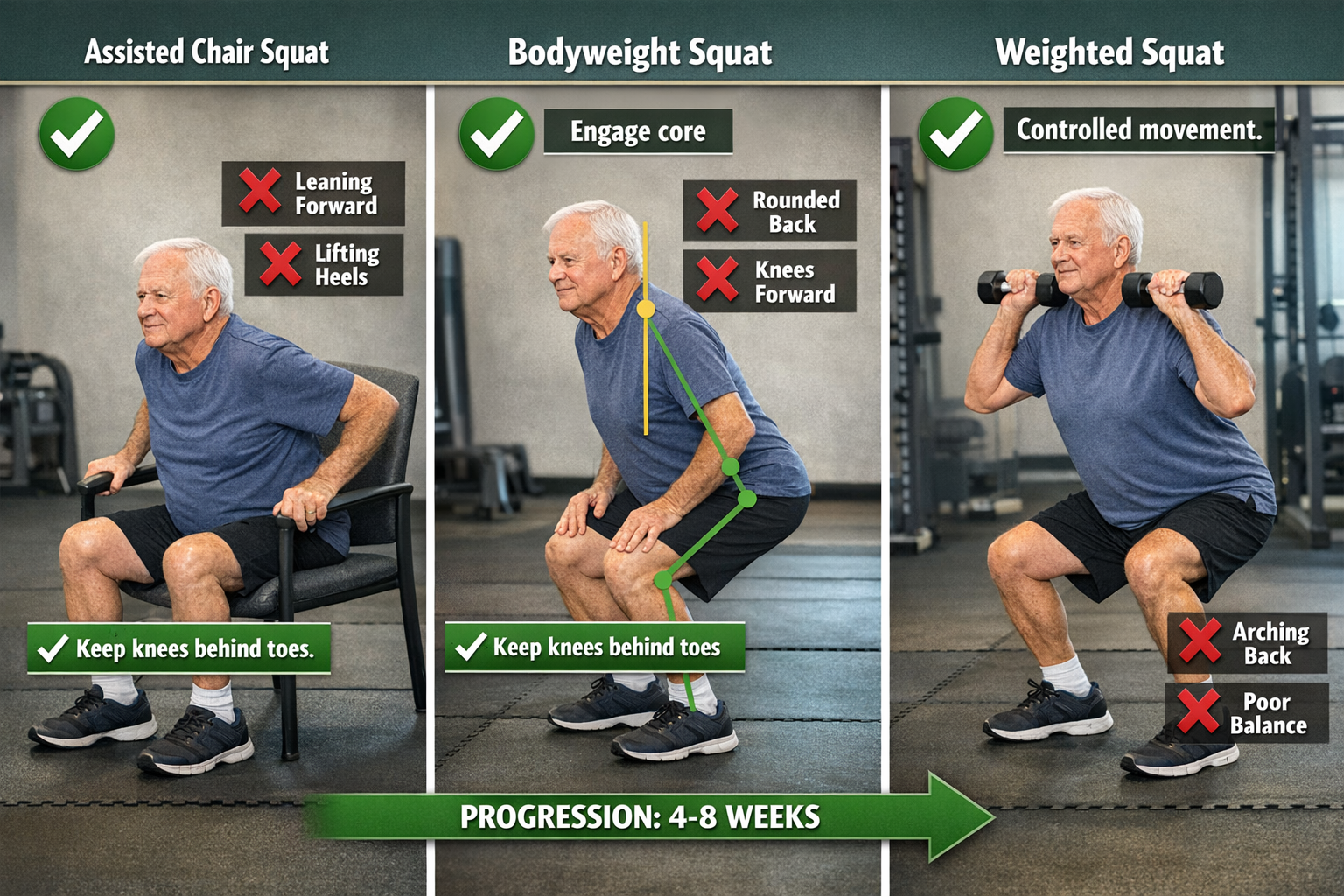
1. Sit-to-Stand (Chair Squats)
Builds leg strength for toilet use, car entry/exit, and rising from furniture
- Sit in a sturdy chair with feet hip-width apart
- Lean forward slightly and stand without using hands (if possible)
- Lower back down with control
- Progress: Hold weight at chest, use lower chair, increase repetitions
2. Step-Ups
Improves stair climbing, curb navigation, and single-leg strength
- Use a low, stable step (4-8 inches initially)
- Step up with one foot, bring other foot to meet it
- Step down with control
- Progress: Increase step height, add weight, perform without handrail support
3. Farmer’s Carry
Enhances grip strength and carrying capacity for groceries and daily items
- Hold weights (dumbbells, water jugs, or bags) at sides
- Walk with upright posture for 30-60 seconds
- Maintain level shoulders and engaged core
- Progress: Increase weight, distance, or duration
4. Standing Row (with Band)
Strengthens back muscles for pulling, reaching, and posture
- Secure resistance band at chest height
- Pull band toward torso, squeezing shoulder blades together
- Return to start with control
- Progress: Use stronger band, increase repetitions, slow tempo
5. Modified Push-Ups
Builds upper body strength for pushing up from bed or floor
- Start with wall push-ups, progress to counter height
- Eventually advance to knee push-ups, then full push-ups
- Maintain straight line from head to knees/feet
- Progress: Lower angle, increase repetitions, add pause at bottom
Balance Training: The Unsung Hero of Senior Fitness
Falls represent the leading cause of fatal and non-fatal injuries among older adults [15]. Balance training reduces fall risk while improving confidence and mobility.
Progressive Balance Exercises:
Level 1 (Beginner):
- Standing on one foot while holding support (10-30 seconds each side)
- Heel-to-toe walking along a line
- Weight shifts side-to-side and forward-back
Level 2 (Intermediate):
- Standing on one foot without support
- Tandem stance (one foot directly in front of other)
- Eyes-closed balance exercises
Level 3 (Advanced):
- Single-leg exercises (reaches, squats)
- Balance on unstable surfaces (foam pad, balance disc)
- Dynamic balance challenges (catching/throwing while balancing)
The Mind-Muscle Connection
Effective fitness programs for seniors emphasize intentional movement—focusing mental attention on the muscles being worked. This mind-muscle connection:
- Improves exercise effectiveness by 20-30% [16]
- Enhances body awareness and coordination
- Reduces injury risk through better movement control
- Increases exercise engagement and enjoyment
Practice this by mentally “feeling” each muscle contract during exercises, moving deliberately rather than rushing through repetitions.
Nutrition Strategies to Support Strength Gains
Protein: The Building Block of Muscle
Older adults require more protein than younger individuals to maintain and build muscle mass—approximately 1.0-1.2 grams per kilogram of body weight daily [17]. For a 150-pound (68 kg) person, this equals 68-82 grams of protein daily.
High-Quality Protein Sources:
- Lean meats (chicken, turkey, lean beef)
- Fish (salmon, tuna, cod)
- Eggs and egg whites
- Greek yogurt and cottage cheese
- Legumes (beans, lentils, chickpeas)
- Protein supplements (whey, plant-based powders)
Protein Distribution Matters:
Consume 20-30 grams of protein at each meal rather than concentrating intake at dinner. This distribution optimizes muscle protein synthesis throughout the day [18].
Hydration and Recovery
Adequate hydration supports:
- Nutrient transport to muscles
- Joint lubrication
- Temperature regulation during exercise
- Recovery and waste removal
Hydration Guidelines:
- Drink 8-10 cups of water daily (more on exercise days)
- Monitor urine color (pale yellow indicates good hydration)
- Consume water before, during, and after workouts
Supplements Worth Considering
While whole foods should provide most nutrients, certain supplements benefit older adults engaged in strength training:
- Vitamin D: Supports muscle function and bone health (many seniors are deficient)
- Omega-3 fatty acids: Reduce inflammation and support recovery
- Creatine monohydrate: Safely enhances strength gains in older adults [19]
- Calcium: Supports bone density alongside strength training
Always consult healthcare providers before starting new supplements, especially if taking medications.
Creating Your Personalized Senior Fitness Program
12-Week Progressive Strength Plan
Weeks 1-4: Foundation Phase
- Focus: Learning proper form, building exercise habit
- Frequency: 2 days per week
- Intensity: Bodyweight or very light resistance
- Volume: 2 sets of 8-10 repetitions
- Exercises: 6-8 basic movements covering all major muscle groups
Weeks 5-8: Building Phase
- Focus: Increasing work capacity and strength
- Frequency: 2-3 days per week
- Intensity: Light resistance (bands, light dumbbells)
- Volume: 2-3 sets of 10-12 repetitions
- Exercises: 8-10 movements including variations
Weeks 9-12: Progression Phase
- Focus: Continued strength gains and functional capacity
- Frequency: 3 days per week
- Intensity: Moderate resistance with good form
- Volume: 3 sets of 10-15 repetitions
- Exercises: 10-12 movements with increased complexity
Sample Weekly Schedule (Weeks 9-12)
Monday: Lower Body & Core
- Chair squats: 3 sets × 12 reps
- Step-ups: 3 sets × 10 reps per leg
- Standing calf raises: 3 sets × 15 reps
- Seated marches with resistance: 3 sets × 20 reps
- Standing side leg lifts: 2 sets × 12 reps per side
Wednesday: Upper Body & Balance
- Wall or counter push-ups: 3 sets × 10 reps
- Resistance band rows: 3 sets × 12 reps
- Overhead press (light weights): 3 sets × 10 reps
- Bicep curls: 3 sets × 12 reps
- Single-leg balance holds: 3 sets × 30 seconds per leg
Friday: Full Body Functional
- Farmer’s carries: 3 sets × 40 seconds
- Deadlift (light weight or band): 3 sets × 10 reps
- Chest press (bands or weights): 3 sets × 12 reps
- Wood chops (rotational): 3 sets × 10 reps per side
- Plank holds (modified as needed): 3 sets × 20-30 seconds
Adapting for Common Health Conditions
Arthritis:
- Perform exercises during times of least pain/stiffness
- Use resistance bands to reduce joint stress
- Focus on full range of motion without forcing
- Consider water-based resistance training
Osteoporosis:
- Emphasize weight-bearing exercises
- Avoid forward flexion (bending forward) under load
- Include balance training to prevent falls
- Progress resistance gradually
Heart Disease:
- Obtain medical clearance before starting
- Monitor heart rate and exertion levels
- Avoid breath-holding (Valsalva maneuver)
- Start very conservatively and progress slowly
Diabetes:
- Monitor blood glucose before and after exercise
- Keep fast-acting carbohydrates available
- Exercise at consistent times relative to meals
- Stay well-hydrated
Conclusion: Taking the First Step Toward Strength and Independence
Strength training represents one of the most powerful interventions available to older adults seeking to maintain independence, vitality, and quality of life well into their later years. The evidence is overwhelming: fitness programs for seniors that prioritize resistance training can reverse muscle loss, improve bone density, enhance balance, reduce chronic disease symptoms, and restore the physical capacity needed for daily activities.
The journey doesn’t require expensive gym memberships, complicated equipment, or hours of daily commitment. Starting with simple bodyweight exercises performed twice weekly, older adults can begin rebuilding strength immediately. As confidence and capacity grow, progression to resistance bands, light weights, and more challenging movements becomes natural and safe.
Your Action Plan for Starting Today:
- Schedule a healthcare consultation to discuss your fitness goals and any medical considerations
- Choose 4-6 basic exercises from the bodyweight movements described in this article
- Set aside 15-20 minutes on two non-consecutive days this week
- Perform 2 sets of 8-10 repetitions of each exercise, focusing on perfect form
- Track your workouts in a simple notebook or smartphone app
- Commit to 4 weeks of consistency before evaluating progress
- Consider joining a class or working with a certified trainer specializing in senior fitness
Remember that every journey begins with a single step—or in this case, a single squat, push-up, or bicep curl. The strength you build today directly translates to independence tomorrow: carrying groceries without assistance, playing actively with grandchildren, traveling confidently, and maintaining the dignity of self-sufficiency.
Age is not a barrier to strength; inactivity is. The most effective fitness programs for seniors are those that begin today, progress safely, and continue consistently. Your stronger, more independent future is waiting—all you need to do is take that first step.
References
[1] Volpi, E., Nazemi, R., & Fujita, S. (2004). Muscle tissue changes with aging. Current Opinion in Clinical Nutrition and Metabolic Care, 7(4), 405-410.
[2] Cruz-Jentoft, A. J., et al. (2019). Sarcopenia: Revised European consensus on definition and diagnosis. Age and Ageing, 48(1), 16-31.
[3] Sherrington, C., et al. (2019). Exercise for preventing falls in older people living in the community. Cochrane Database of Systematic Reviews, 1, CD012424.
[4] Peterson, M. D., Sen, A., & Gordon, P. M. (2011). Influence of resistance exercise on lean body mass in aging adults: A meta-analysis. Medicine & Science in Sports & Exercise, 43(2), 249-258.
[5] Lexell, J. (1995). Human aging, muscle mass, and fiber type composition. The Journals of Gerontology Series A: Biological Sciences and Medical Sciences, 50, 11-16.
[6] Centers for Disease Control and Prevention. (2024). Facts About Falls. Retrieved from CDC.gov
[7] Fiatarone Singh, M. A., et al. (2014). The Study of Mental and Resistance Training (SMART) study—resistance training and/or cognitive training in mild cognitive impairment. Journal of the American Medical Directors Association, 15(12), 873-880.
[8] Westcott, W. L. (2012). Resistance training is medicine: Effects of strength training on health. Current Sports Medicine Reports, 11(4), 209-216.
[9] American College of Sports Medicine. (2009). Exercise and physical activity for older adults. Medicine & Science in Sports & Exercise, 41(7), 1510-1530.
[10] Hong, A. R., & Kim, S. W. (2018). Effects of resistance exercise on bone health. Endocrinology and Metabolism, 33(4), 435-444.
[11] Strasser, B., & Pesta, D. (2013). Resistance training for diabetes prevention and therapy. Experimental and Clinical Endocrinology & Diabetes, 121(08), 440-445.
[12] O’Connor, P. J., Herring, M. P., & Caravalho, A. (2010). Mental health benefits of strength training in adults. American Journal of Lifestyle Medicine, 4(5), 377-396.
[13] Granacher, U., et al. (2013). The importance of trunk muscle strength for balance, functional performance, and fall prevention in seniors. Sports Medicine, 43(7), 627-641.
[14] American College of Sports Medicine. (2026). ACSM’s Guidelines for Exercise Testing and Prescription (11th ed.). Wolters Kluwer.
[15] Bergen, G., Stevens, M. R., & Burns, E. R. (2016). Falls and fall injuries among adults aged ≥65 years—United States, 2014. Morbidity and Mortality Weekly Report, 65(37), 993-998.
[16] Calatayud, J., et al. (2016). Importance of mind-muscle connection during progressive resistance training. European Journal of Applied Physiology, 116(3), 527-533.
[17] Bauer, J., et al. (2013). Evidence-based recommendations for optimal dietary protein intake in older people. Journal of the American Medical Directors Association, 14(8), 542-559.
[18] Mamerow, M. M., et al. (2014). Dietary protein distribution positively influences 24-h muscle protein synthesis in healthy adults. The Journal of Nutrition, 144(6), 876-880.
[19] Candow, D. G., et al. (2014). Effectiveness of creatine supplementation and resistance training on muscle strength and muscle mass in older adults. Journal of Strength and Conditioning Research, 28(6), 1747-1755.