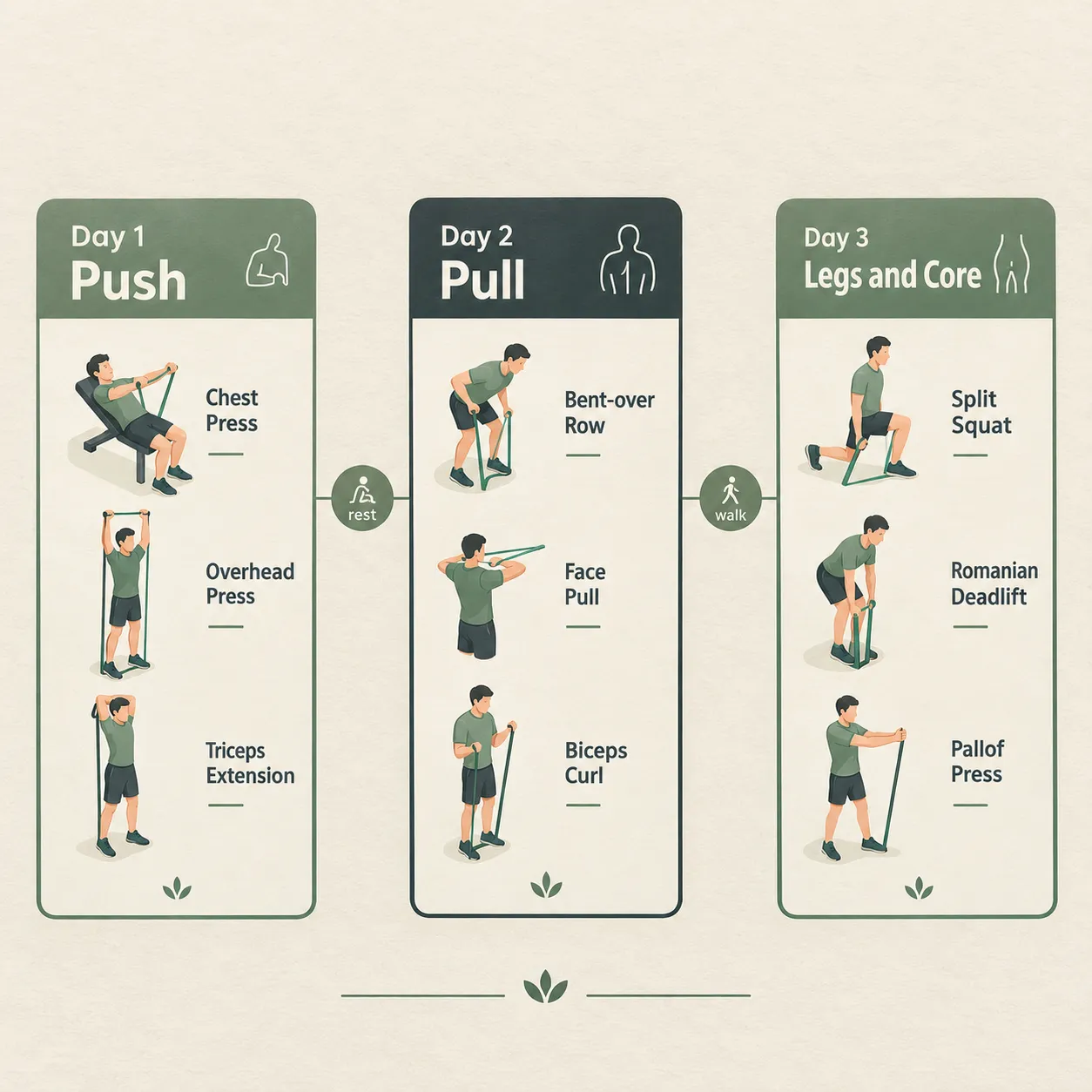
Last updated: October 26, 2026
Quick Answer
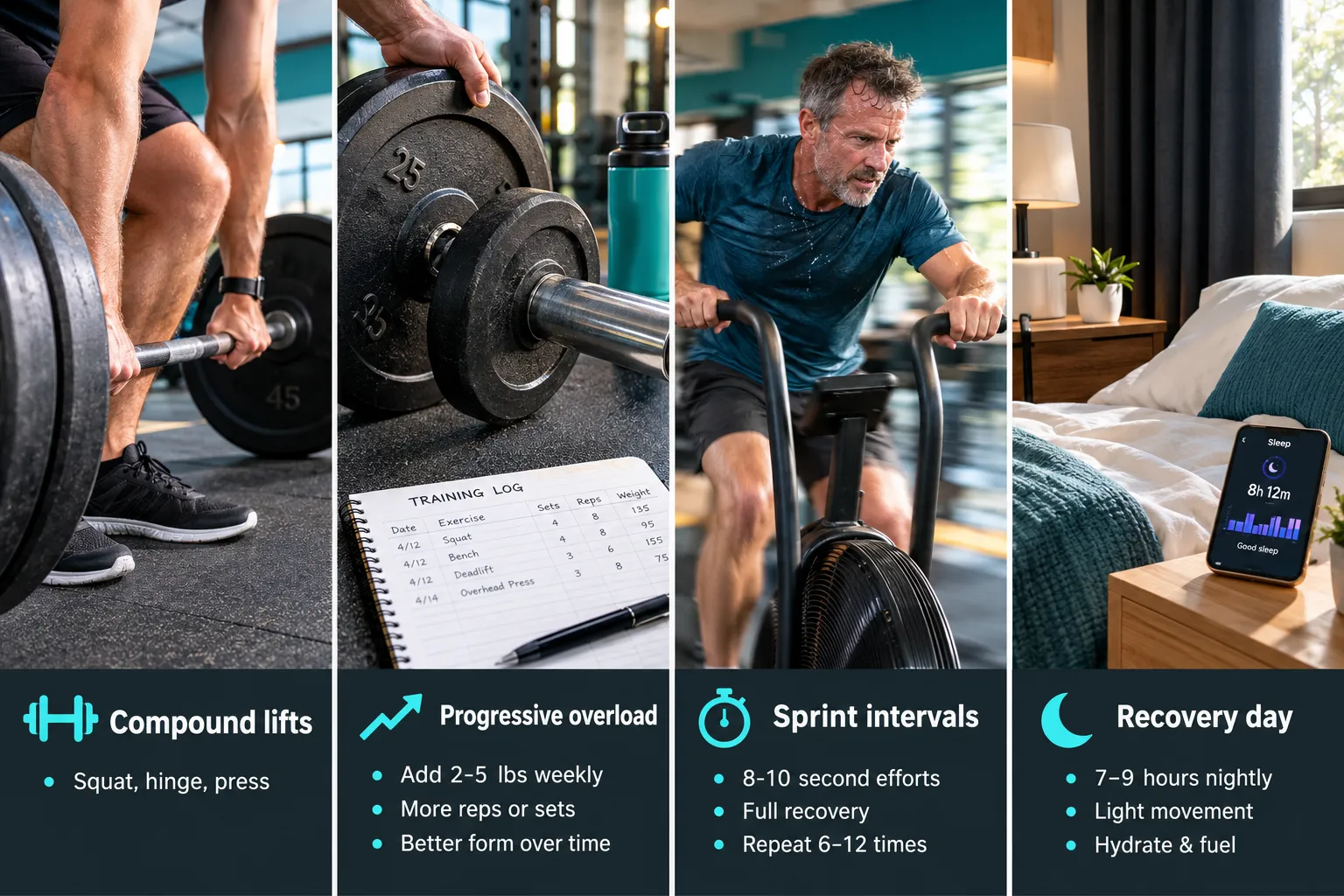
Bodyweight strength exercises for men over 40 work best as a progressive plan from beginner to advanced built on six movement patterns: push, row, squat, hinge, overhead press, and carry/core. Train 2-3 non-consecutive days per week, starting with 1-2 sets of 10-15 reps and progressing toward 2-3 sets of 6-12 harder reps [1][2][3]. Progress by changing leverage (incline height, limb position), tempo, and range of motion instead of adding weight. Most men feel strength improvements in 3-4 weeks and see visible change by 10-12 weeks.
Key Takeaways
- Two to three sessions per week, covering 8-10 major muscle groups, matches published guidance for adults in this age bracket [1][3].
- Beginners should start light (roughly 10-15 reps, well short of failure), then progress to 6-12 harder reps as tolerance builds [2][4].
- Leverage beats load: changing your body angle turns one push-up into ten difficulty levels.
- Joint pain usually responds better to reduced range and slower tempo than to total rest.
- You can build muscle after 40 with bodyweight work alone, as long as effort and progression keep rising.
- Minimum equipment: a sturdy bar or table edge for rows, plus a band or chair. Nothing else is required.
- Heavier, harder training is safe and beneficial for older adults when it's built on gradual progression [15, see note below].
- Overweight beginners can start with bodyweight training immediately, using elevated and supported variations.
What bodyweight exercises are safest for men over 40 with joint pain?
The safest options keep joints in mid-range, load slowly, and avoid deep end-range compression. Think incline push-ups, inverted rows at a high bar, split squats to a box, hip hinges with a short range, dead bugs, and suitcase carries.
Why those work:
- Incline push-ups reduce shoulder strain versus floor push-ups by shortening the lever and limiting how far the shoulder extends behind the torso.
- Inverted rows (feet on floor, body angled under a bar or table) build pulling strength with zero spinal compression.
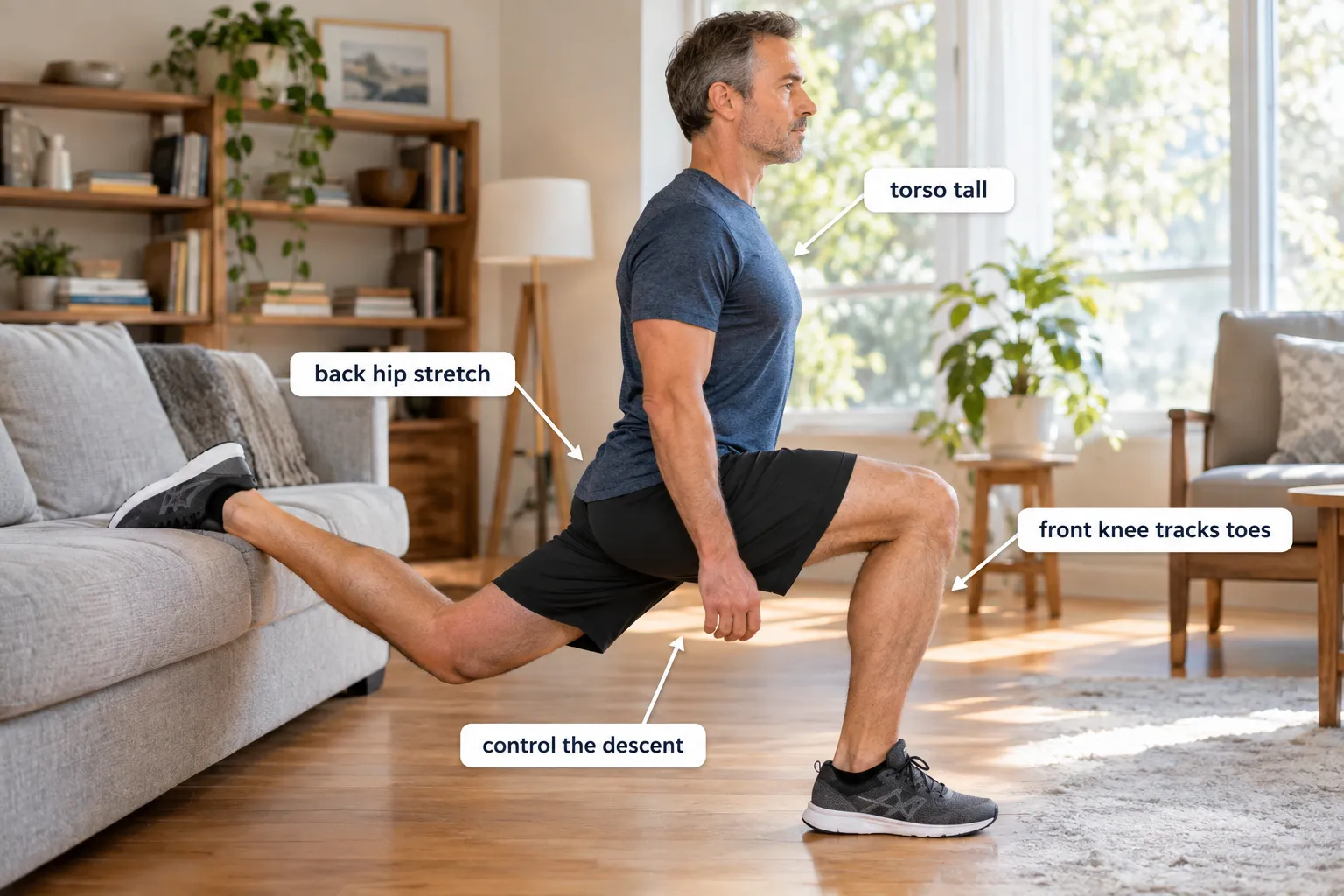
- Box split squats let you control depth. Stop above the point where the knee or hip complains.
- Glute bridges and hip hinges strengthen the posterior chain without knee flexion under load.
- Carries and planks train the core isometrically, which is usually well tolerated by irritable backs.
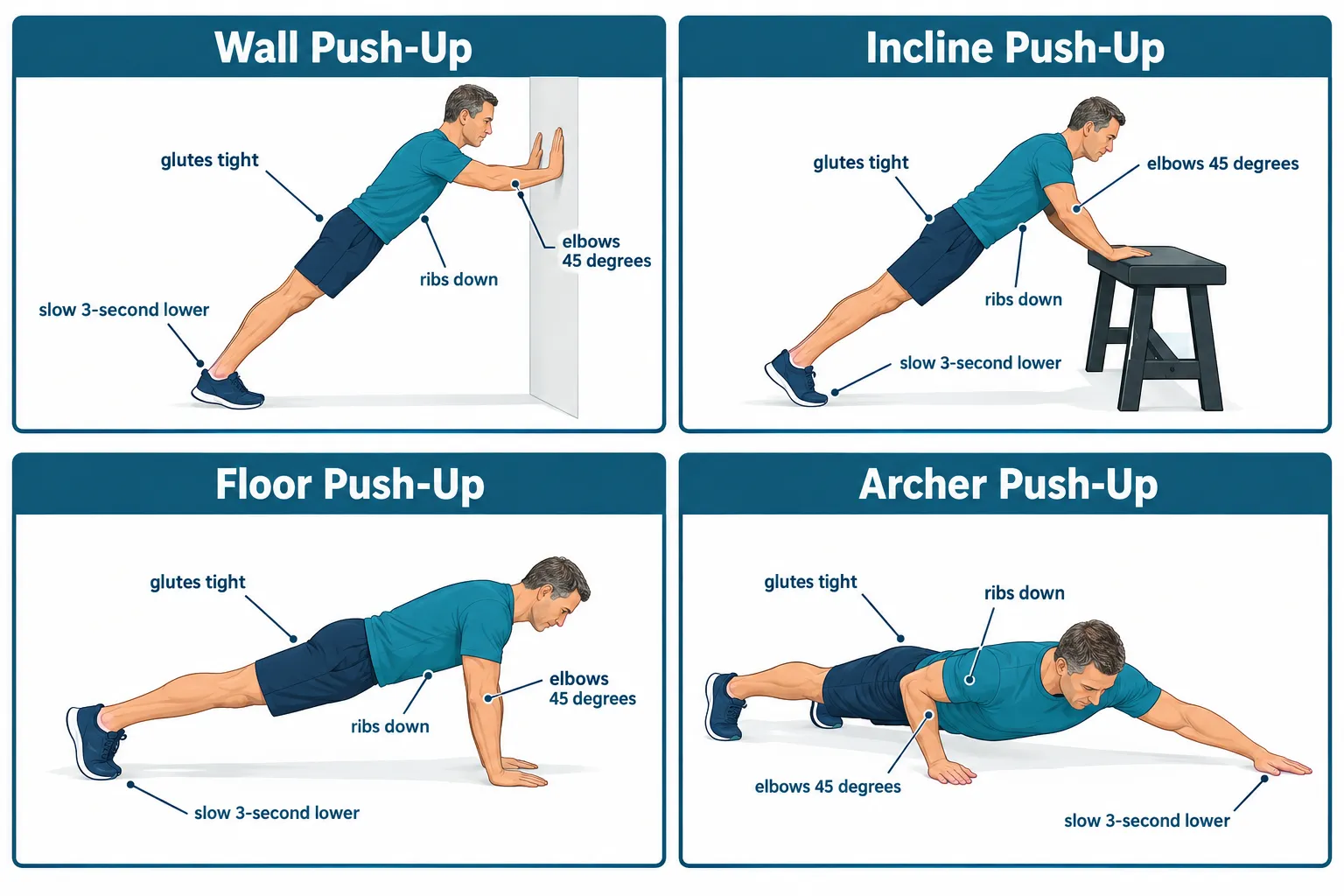
Decision rule: if a movement produces sharp pain, pain that lingers more than 24 hours, or pain that worsens set to set, regress the angle or shorten the range. Dull muscular burn that fades the same day is fine.
Is bodyweight training safe if I have arthritis or bad knees?
Yes, for most people with osteoarthritis, resistance training is recommended rather than avoided, because stronger muscles around a joint reduce load on the joint surface. Clinical guidance for older adults pairs resistance and balance work with aerobic activity, using individualized intensity instead of fixed targets [5].
Practical knee-friendly swaps:
| Painful version | Knee-friendly swap |
|---|---|
| Deep bodyweight squat | Box squat to a chair, partial depth |
| Walking lunge | Rear-foot-elevated split squat, short range |
| Jump squat | Step-up with slow lowering |
| Floor kneeling drills | Standing hip hinge, glute bridge |
Edge case: active joint flare-ups (hot, swollen, very stiff) call for isometrics only, such as wall sits at a shallow angle or quad sets, until the flare settles. Clear any new or undiagnosed joint pain with a clinician first.
Can you build muscle with just bodyweight exercises over 40?
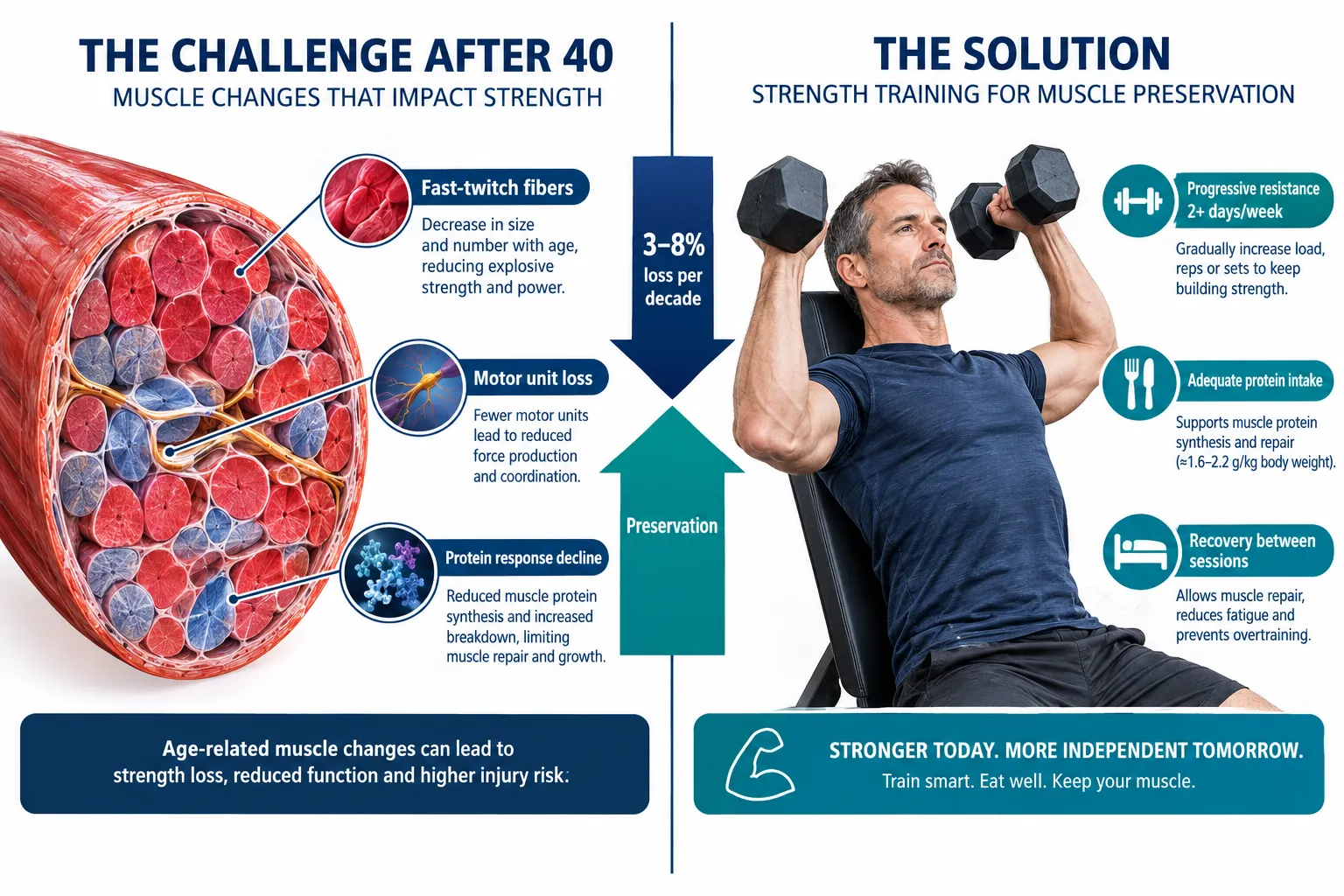
Yes. Muscle growth responds to mechanical tension and progressive challenge, not to barbells specifically. Guidelines for older adults call for 2-3 sets of multi-joint exercises per major muscle group at a hard effort, roughly equivalent to 70-85% of one-rep max [1][6], and leverage-based bodyweight progressions can reach that effort level.
The catch is the lower body. Two legs and no external load means squats get easy fast, so progression has to come from single-leg work: split squats, step-ups, Bulgarian split squats, then slow eccentric single-leg squats to a box.
Bodyweight training stops building muscle the moment it stops getting harder. Difficulty, not novelty, drives growth.
Bodyweight strength training vs lifting weights for older men: which is better?
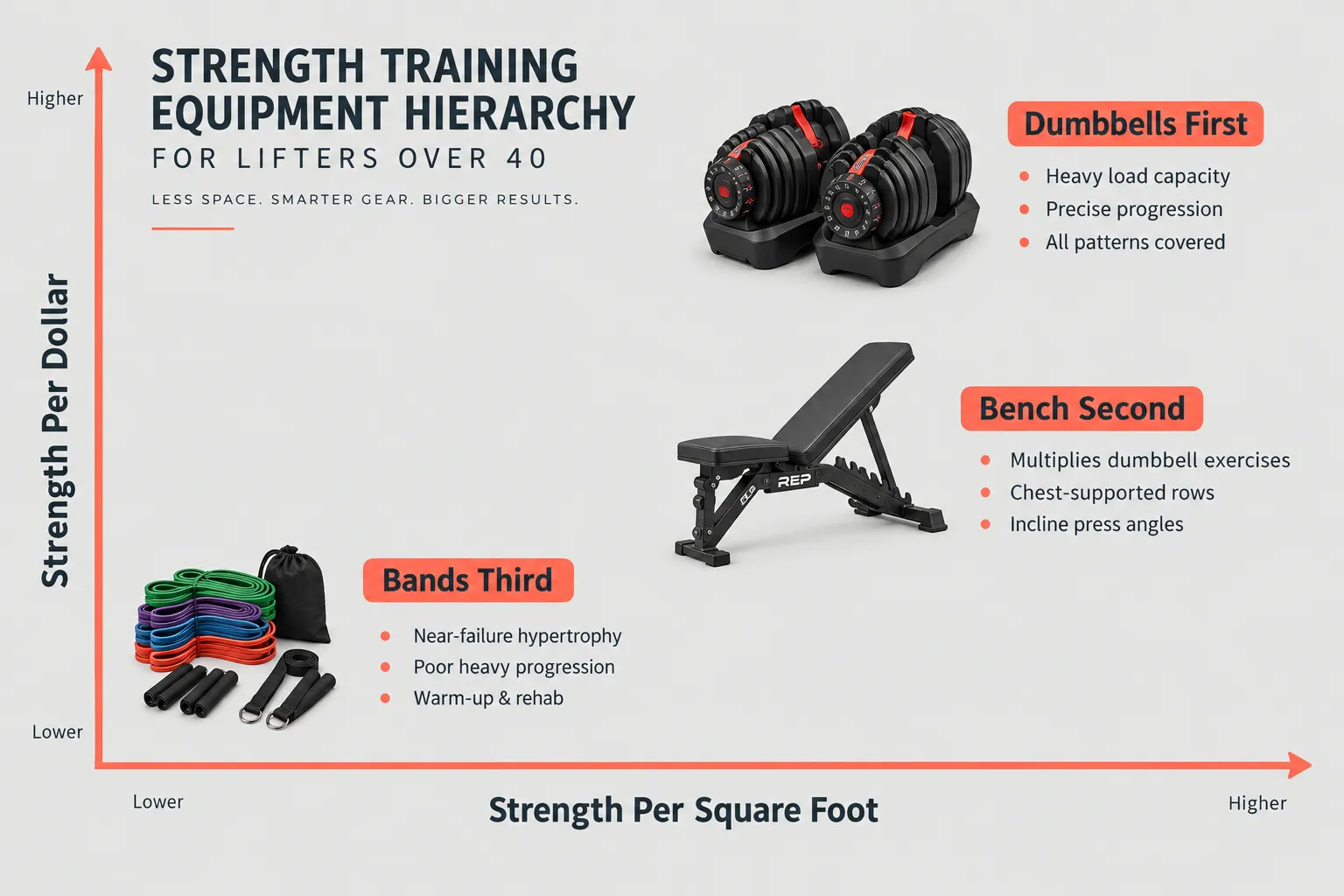
Neither is universally better. Weights give precise, easy load progression (especially for legs and hinges); bodyweight training gives joint-friendly scaling, no cost, and strong carryover to balance and body control. The best plan for most men over 40 is bodyweight as the base, with a few loaded lifts added later.
| Factor | Bodyweight | Free weights |
|---|---|---|
| Cost and access | Free, anywhere | Gym or equipment needed |
| Lower-body loading | Harder to progress | Easy to progress |
| Joint-friendly scaling | Excellent (angle, range, tempo) | Good (load selection) |
| Pulling strength | Needs a bar | Rows and pulldowns easy |
| Learning curve | Low | Moderate (technique coaching helps) |
Choose bodyweight-first if you're returning after a long layoff, have unpredictable schedules, or have joint sensitivity. Choose weights-first if your main goal is maximal strength or hypertrophy in the legs, since heavy training reverses a meaningful share of age-related strength and power loss when progressed gradually.
What's the difference between beginner and advanced bodyweight progressions?
Beginner progressions reduce leverage and shorten range so you can complete 10-15 controlled reps. Advanced progressions increase leverage, add single-limb loading, slow the tempo, and extend range, moving you into the 6-12 rep strength zone recommended for developing muscular strength [2][4].
Here's the full progressive plan from beginner to advanced across the six patterns:
| Pattern | Beginner (10-15 reps) | Intermediate (8-12) | Advanced (6-12) |
|---|---|---|---|
| Push | Wall / counter push-up | Incline or floor push-up | Feet-elevated, archer, 3-sec eccentric |
| Row | High inverted row, feet bent | Low inverted row, legs straight | Feet-elevated row, pull-up |
| Squat | Box squat to chair | Split squat | Rear-foot-elevated split squat, slow single-leg to box |
| Hinge | Glute bridge | Single-leg glute bridge | Single-leg Romanian deadlift, Nordic-style eccentric |
| Overhead press | Band or wall pike push-up | Pike push-up, feet on floor | Feet-elevated pike push-up |
| Core / carry | Dead bug, short plank | Side plank, farmer carry | Suitcase carry, hollow hold, ab wheel-style rollout |
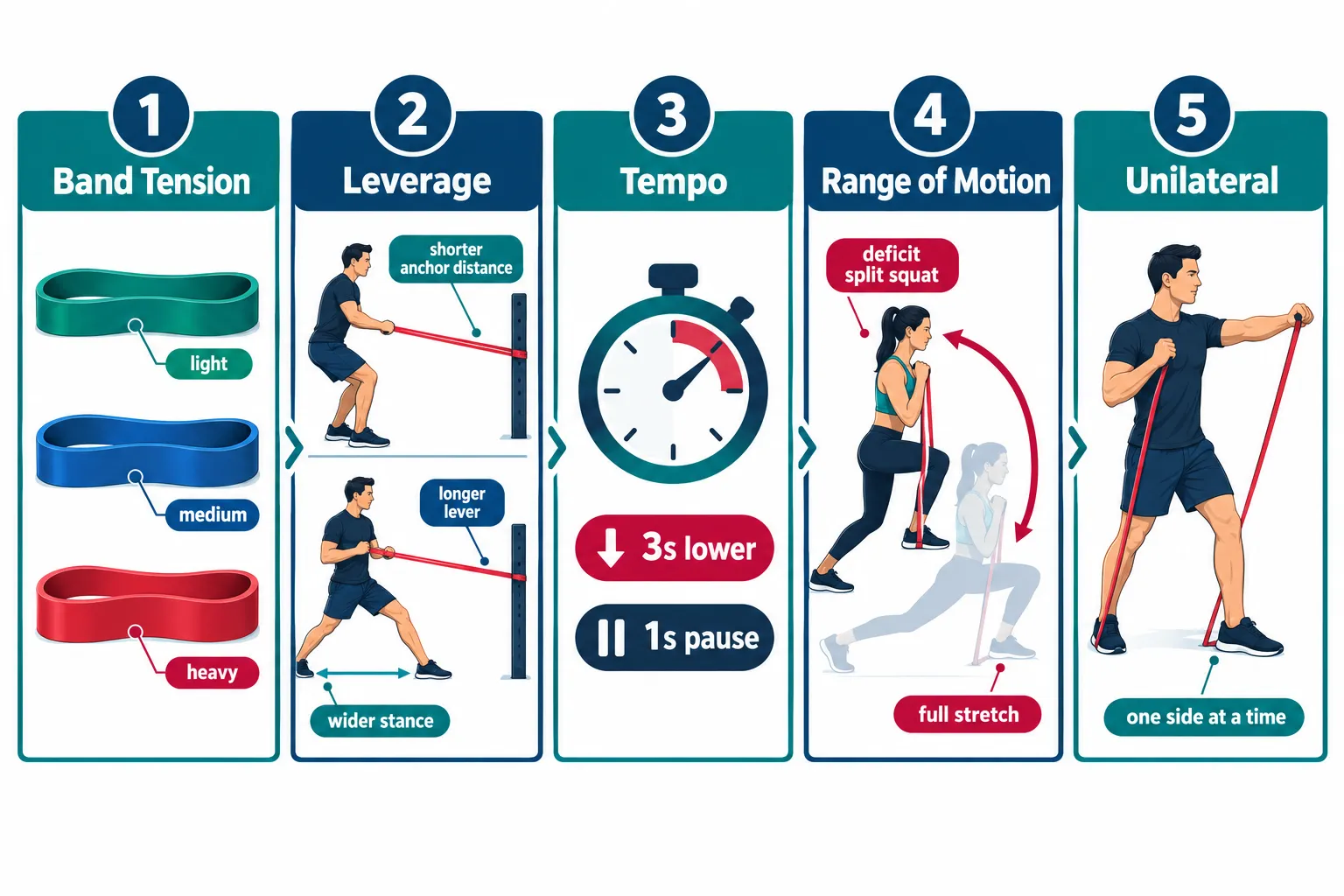
Tempo is the underrated variable. A push-up with a 3-second lower, 1-second pause, and controlled press is far harder than the same rep bounced off the floor, and it builds control that protects joints.
How do I modify push-ups and pull-ups if I'm not strong enough yet?
Change the angle for push-ups and reduce body weight or range for pull-ups. Nobody needs to "wait until they're ready", the regression is the exercise.
Push-up ladder (move down one step when you hit 12-15 clean reps):
- Hands on a wall
- Hands on a kitchen counter
- Hands on a sturdy table
- Hands on a low bench or stair
- Floor push-up
- Feet elevated / archer / slow eccentric
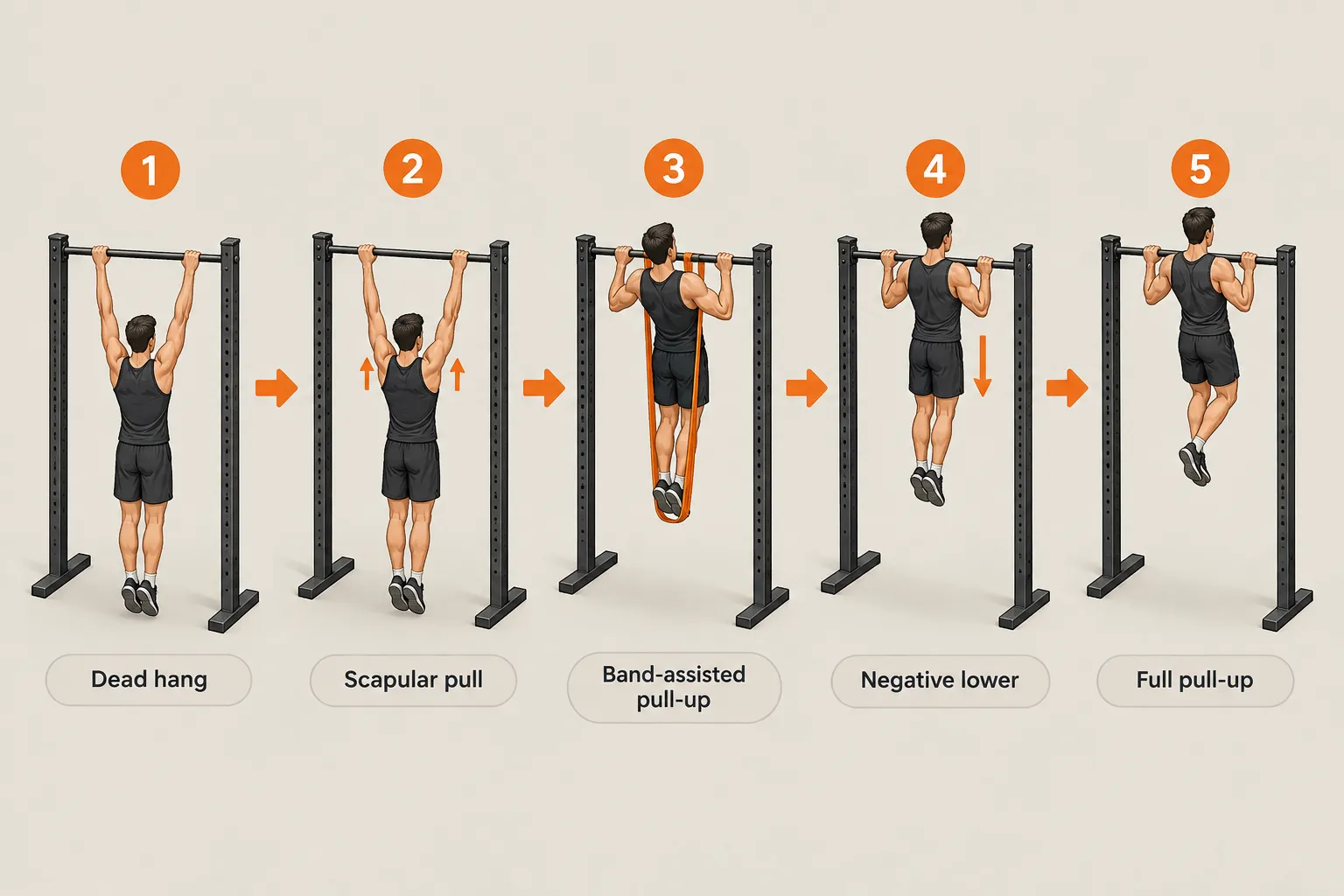
If you can't do a single pull-up, start here:
- Dead hang, 10-30 seconds, builds grip and shoulder tolerance
- Scapular pulls, hang, pull shoulder blades down without bending elbows, 5-8 reps
- Inverted rows, work up to 3 sets of 12
- Band-assisted pull-ups, 5-8 reps
- Negatives, jump or step to the top, lower for 5 seconds, 3-5 reps
- Full pull-up
Most men who train pulling twice a week get a first pull-up within 8-16 weeks from the row stage. Heavier lifters may take longer, which is normal and not a failure.
How many days a week should I do bodyweight strength training?
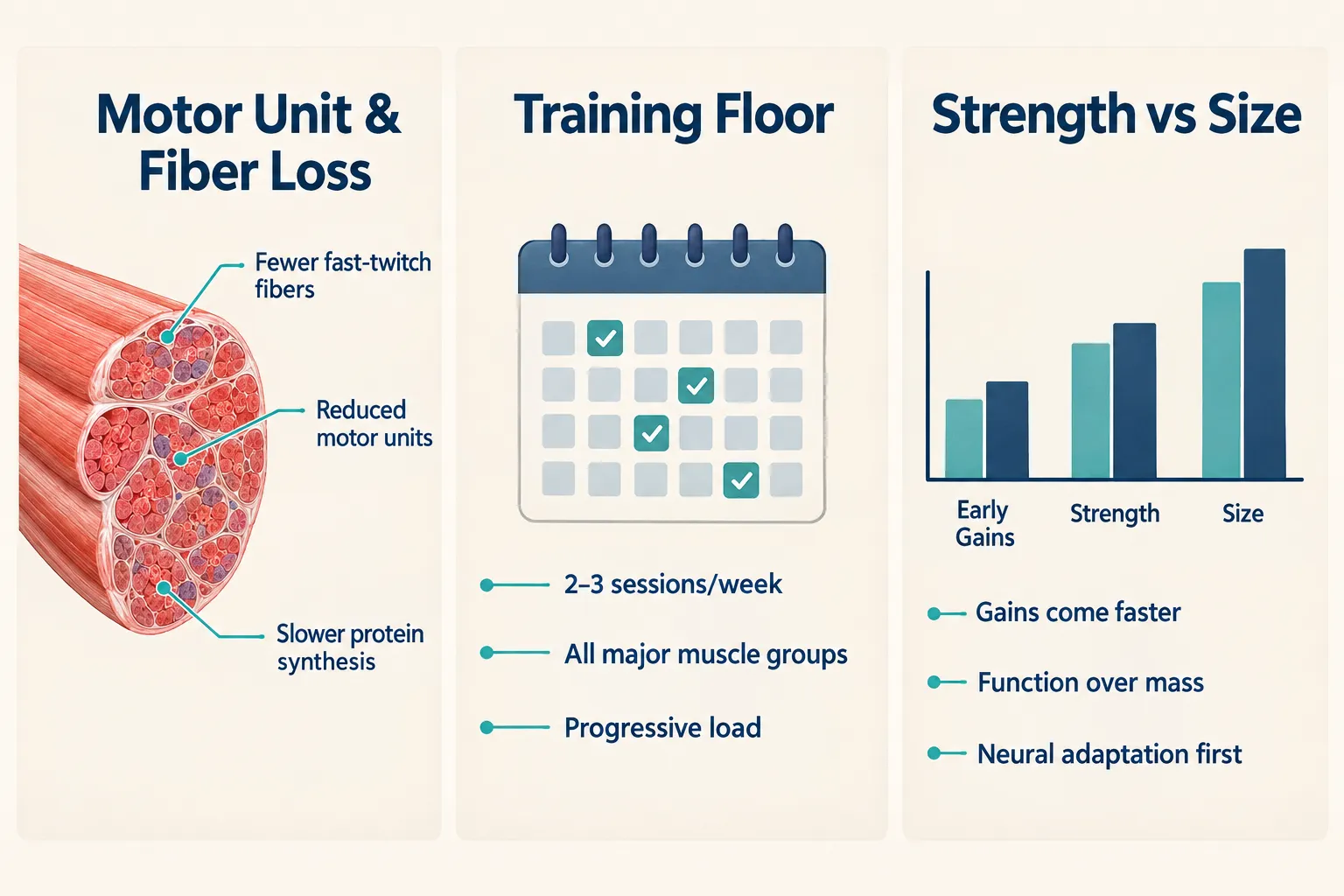
Two to three non-consecutive days per week, hitting 8-10 major muscle groups, with 1-2 sets per exercise at first and 2-3 sets once recovery is reliable [1][3][7]. The National Institute on Aging notes that even 1-2 strength sessions weekly is a valid starting point while you build toward the two-plus standard [3][8].
A workable weekly layout:
- Monday, full body A (push, row, split squat, bridge, core)
- Wednesday, 30-40 minutes brisk walking or cycling
- Thursday, full body B (pike press, pull progression, hinge, step-up, carry)
- Saturday, full body A again, or a walk plus mobility
Pair strength work with 150 minutes of moderate or 75 minutes of vigorous aerobic activity weekly, which is the standard adult target that also applies to older adults [3][5].
Do I need any equipment for a bodyweight strength program?
Almost none. The only real gap in a pure bodyweight plan is horizontal and vertical pulling, so you need something to hang from or row under.
Minimum useful kit:
- A pull-up bar (doorway or wall-mounted) or a sturdy table edge for inverted rows
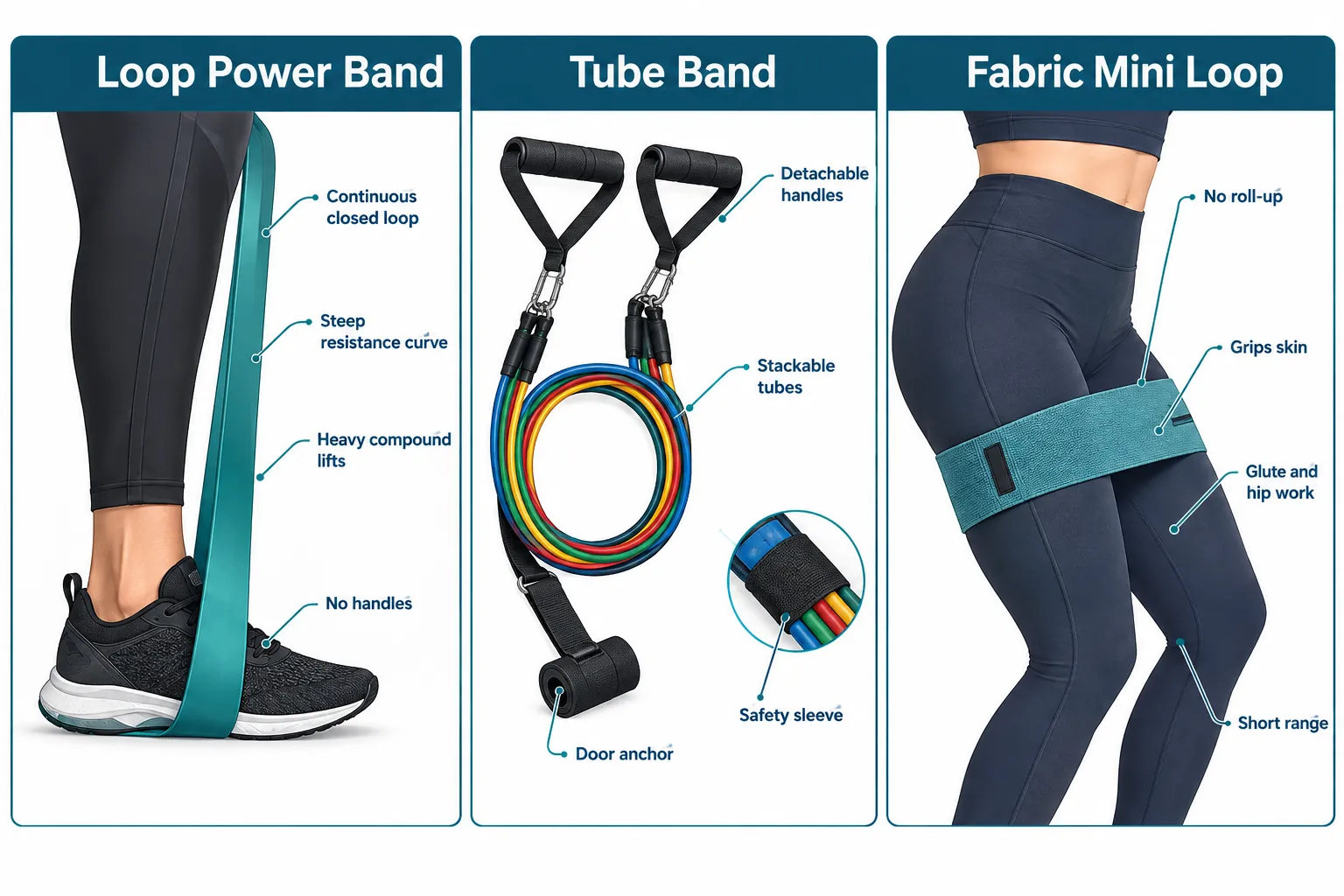
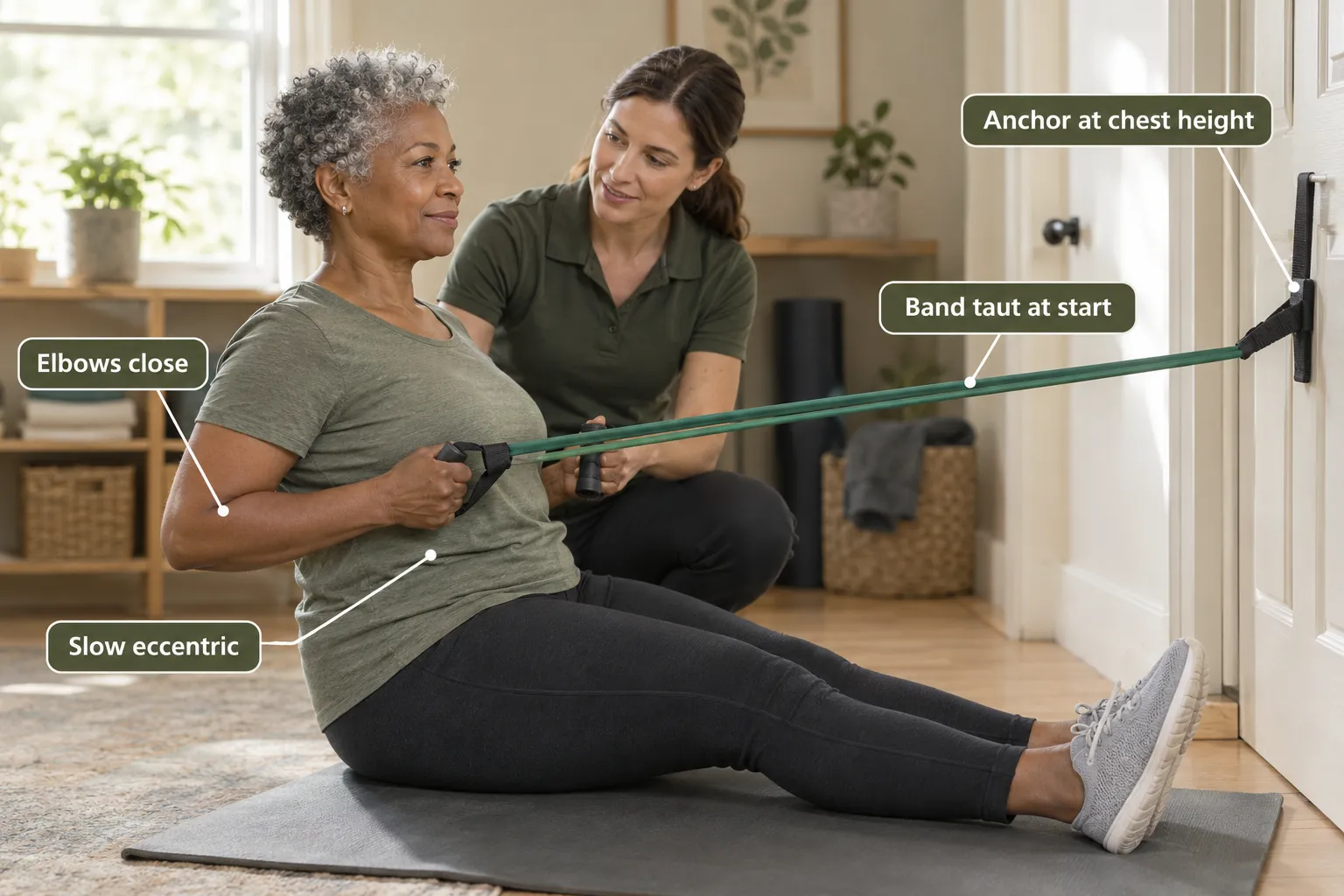
- One long resistance band for pull-up assistance and band rows
- A chair, bench, or step for inclines, split squats, and step-ups
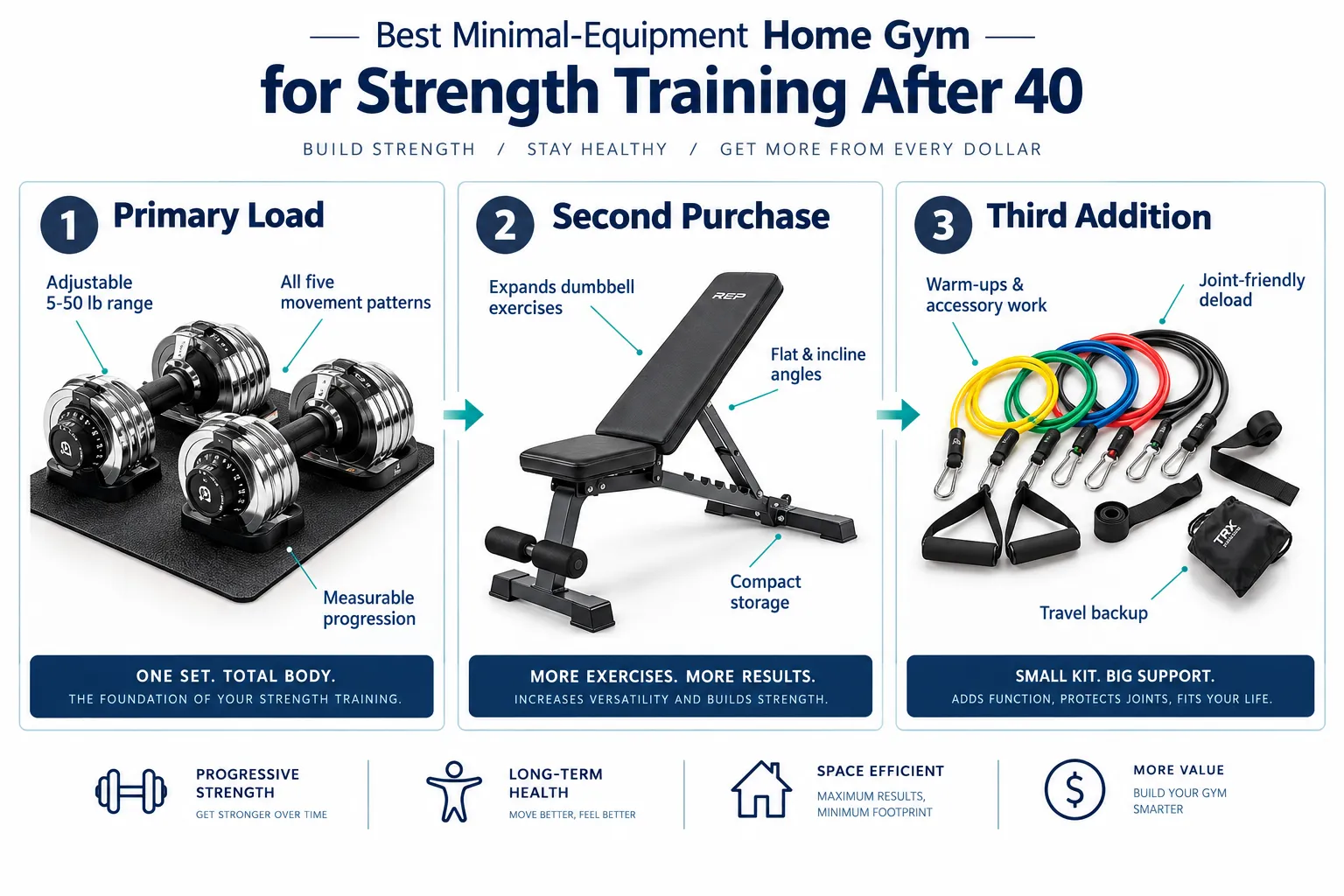
Optional later: a backpack loaded with books for weighted push-ups and carries, and a yoga mat if your floor is hard.
How long does it take to see strength gains with bodyweight training at 40?
Most men notice better rep quality and control within 2-3 weeks, measurable strength gains (more reps, harder progressions) by 4-6 weeks, and visible body composition change around 10-12 weeks of consistent training. Early gains are largely neural, your nervous system recruits muscle more efficiently before muscle size changes much.
Track one number per pattern: total quality reps per session. When that number rises for two straight weeks at a given difficulty, move to the next progression.
What are the most common mistakes men make starting bodyweight training after 40?
The biggest mistake is doing too much too soon, then quitting during the soreness. Close behind: skipping pulling work entirely, and never changing difficulty.
Top mistakes to avoid:
- Starting at three sets to failure in week one instead of 1-2 easy sets [2][4].
- Push-only training. Rows and pull progressions balance the shoulders and spare the upper back.
- Chasing reps instead of quality. 40 sloppy push-ups build less than 12 slow ones.
- No leg progression. Two-leg squats become cardio; single-leg work is where strength comes from.
- Training the same difficulty for months. If it isn't getting harder, it isn't a progressive plan.
- Ignoring recovery. Sleep and protein matter more at 45 than at 25.
Why am I so sore after starting bodyweight exercises?
Early soreness (delayed onset muscle soreness) comes mostly from unfamiliar eccentric loading, the lowering phase of push-ups, split squats, and negatives. It usually peaks 24-48 hours after training and fades within 3-5 days, and it drops sharply after the first two or three weeks as your muscles adapt.
To blunt it: keep the first two weeks to one set per exercise, stay 3-4 reps shy of failure, and walk on off days. Warning sign worth attention: severe soreness with dark urine or extreme swelling, which needs medical review.
Can overweight men over 40 start bodyweight training, or should they start with cardio?
Start both, but don't delay strength work. Overweight men can begin bodyweight training immediately using elevated and supported variations, which reduce the percentage of body weight being lifted. Strength training also protects lean mass during weight loss, which protects metabolic rate.
A sensible opening month:
- Push: counter or wall push-ups, 2 × 10
- Row: high inverted row (bar at hip height), 2 × 8
- Legs: box squat to chair, 2 × 10; step-up to low stair, 2 × 6 per leg
- Hinge: glute bridge, 2 × 12
- Core: dead bug, 2 × 8 per side
- Cardio: 20-30 minute walks, most days
How do I progress safely without getting injured?
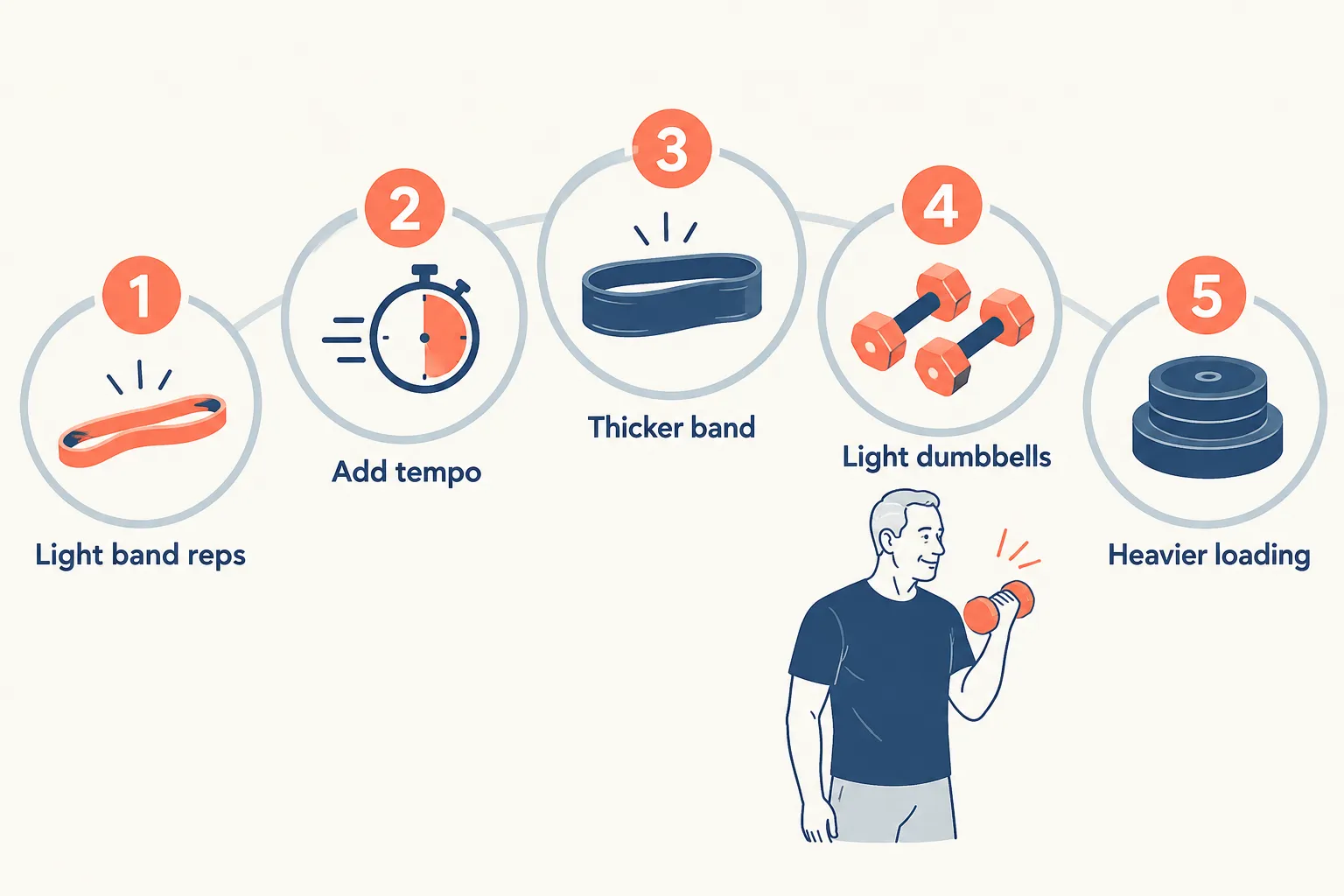
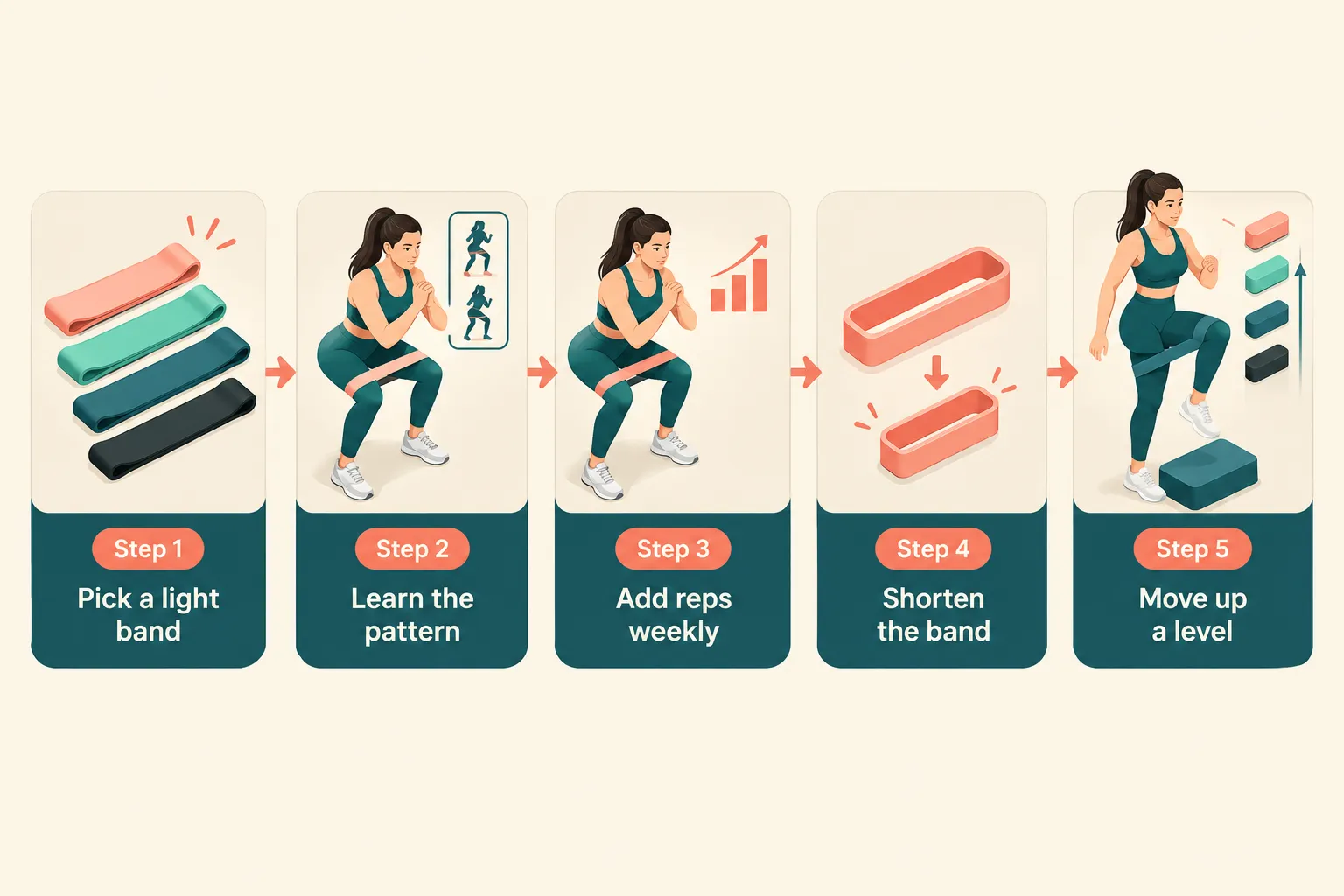
Change one variable at a time, and only after you've earned it. The reliable sequence is: reps → tempo → range → leverage → sets.
A simple progression rule:
- Hit the top of your rep range for all sets with clean form.
- Hold that for two sessions.
- Then make one change (slower lower, deeper range, or a harder angle).
- Expect reps to drop. Rebuild them before changing anything else.
Guard rails: warm up 5 minutes, keep 2-3 reps in reserve on most sets, deload every 6-8 weeks by cutting sets in half for a week, and never progress through sharp joint pain.
FAQ
Can bodyweight training replace the gym after 40?
For general strength, health, and muscle maintenance, yes. For maximal lower-body strength, adding loaded squats or deadlifts eventually helps.
How long should each workout take?
25-45 minutes, including warm-up. Six exercises, 2-3 sets each, is enough.
Should I train to failure?
Rarely. Stop 1-3 reps short on most sets; occasional near-failure sets on safe movements (push-ups, rows) are fine.
What rep range builds strength versus size?
Published guidance for older adults suggests 10-15 reps for initial conditioning and 6-12 reps for developing muscular strength [2][4].
Do I need protein supplements?
Not necessarily. Prioritize adequate total daily protein from food; supplements are convenience, not a requirement.
How do I keep core work from hurting my back?
Use bracing drills (dead bug, side plank, carries) rather than high-rep sit-ups, and keep the lower back flat against the floor.
Is it too late to start at 55 or 60?
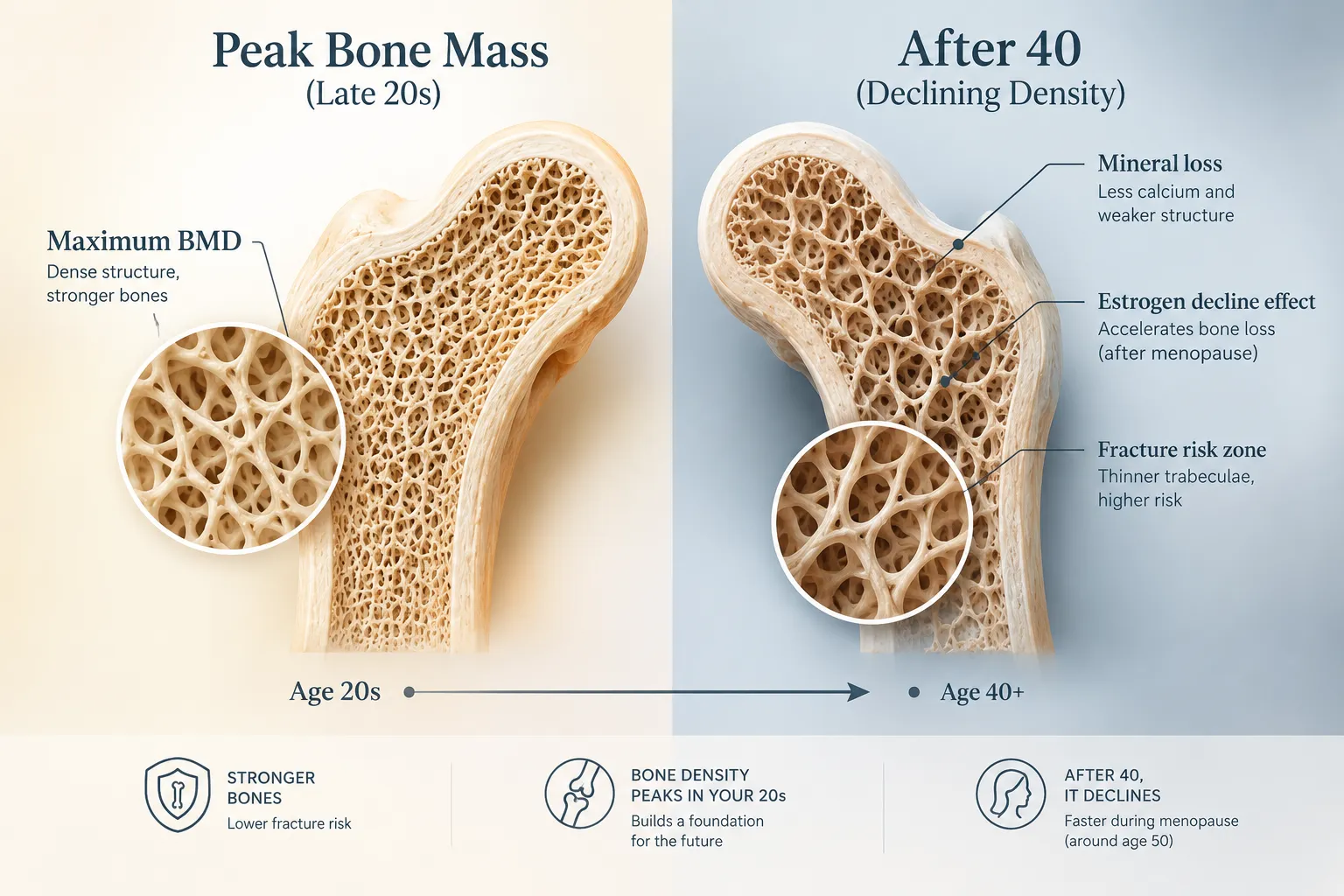
No. Resistance training improves strength, bone density, and function at every adult age [8].
How much rest between sets?
60-120 seconds for multi-joint exercises. Rest longer if form degrades.
Conclusion
Bodyweight strength exercises for men over 40 work when the plan is genuinely progressive: six movement patterns, 2-3 sessions a week, and one difficulty variable changed at a time. Start easier than you think you should, protect joints with angle and tempo instead of rest, and never let the program stay the same for more than six weeks.
Your next three steps:
- Pick one variation per pattern from the beginner column and test your rep max this week.
- Schedule two fixed training days (plus one optional third) and a pull-up bar or table for rows.
- Log reps every session, and move one step down the progression table when you clear the top of your rep range twice.
Note: a 2025 review on heavy strength training in older adults is referenced in the Key Takeaways based on supplied research material; readers should consult current literature for full detail.
References
- Resistance Training For Older Adults Position.1. nsca.com.
- NSCA Position Stand. unm.edu.
- Exercise Recommendations for Older Adults. link.springer.com.
- NSCA Position Stand (mirror). unm.edu.
- Exercise In The Elderly Part Two: Rehabilitation Management And Treatments. now.aapmr.org.
- Resistance Training by the Numbers. health.harvard.edu.
- Exercise Recommendations Tables. link.springer.com.
- How Can Strength Training Build Healthier Bodies We Age. nia.nih.gov.